Search This Blog

Sunday, February 25, 2018

How to Make Your Own Beard Oils : Everything You Need to Know

There are a few things to learn when you are wanting to make your own beard oil, and we are going to cover these within this article.

In this article, you are going to learn how to properly blend, store and use your beard oil. You will learn what carrier oils to use and what essential oils work well.

WHY USE A BEARD OIL?

There are a few reasons why men benefit from a good beard oil:

    • ​Due to beard hair being typically quite coarse, it can often cause itching and dandruff (or beardruff), or ingrown hairs on the facial skin. Beard oils will condition the skin as well as the beard hair.
    • A thick beard makes it difficult to access the skin underneath, so problems such as dryness, acne, or inflammation can be made worse. Beard oil can get under the hair and onto the skin.
    • Long beards can become tangled and messy. Daily application of beard oil and use of a beard comb can smooth the hair and encourage it to lay in one direction.
    • Beard oil makes your beard look shiny and luxurious.
    • They can nourish the hair follicles and stimulate growth.
    • Reduce itching and flakiness.

TOOLS NEEDED

To make your own beard oils, you will want some tools to make the job easier.  These include:

  • Bottles for storage – look for dark glass as these will protect your oils from damaging UV rays.  <= Get these on Amazon.
  • Carrier Oils – these will be the base of your blend. <= Buy a pack of carrier oils from Amazon so you can experiment to see which ones you like.
  • Essential oils – You want high quality oils from a reputable company. <= I buy mine from Young Living.
  • Pipettes – Excellent for measuring or transferring essential oils. <= Get them on Amazon.
  • Funnels – small metal funnels are best, as a plastic funnel will absorb the essential oils. <= Available on Amazon.
  • Measuring beakers – These will help you precisely measure your carrier oils. <= Get them on Amazon.

omega-fatty-acids-and-the-skin

BASE/CARRIER OILS FOR DIY BEARD OILS

A beard oil begins with a base/carrier oil. Carrier oils carry the scents of essential oils and dilute them enough that they won’t damage your skin.

All of the base/carrier oils will have benefits to the skin and hair, so the oils you choose are based on personal preference. I personally like to use a blend of two oils. I love Argan for its ability to absorb right into the hair cortex and I love Prickly Pear oil for its ability to penetrate the skin without leaving a greasy residue.

  • Jojoba: Moisturizes the hair and skin. Closely resembles skin’s own sebum. It will give your beard a soft and smooth feeling. Learn more about Jojoba here.
  • Argan: Makes hair shiny and manageable. High in antioxidants. Learn more about Argan oil here.
  • Sweet Almond: Anti-inflammatory, helps prevent ingrown hairs. Conditions and softens hair. Learn more about sweet almond oil here.
  • Coconut: Highly moisturizing, anti-fungal and antibacterial. Protects beard from damage. Learn more about coconut oil here.
  • Hemp Seed: Non-comedogenic (won’t clog pores). Keeps hair from getting brittle.
  • Hazelnut: An astringent oil that constricts pores.
  • Apricot Kernel: Quickly absorbed by the skin. Helps curb flakiness.
  • Pomegranate: Enhances skin texture. Reduces inflammation and prevents moisture loss. Learn more about pomegranate oil here.
  • Rosehip: Helps improve skin tone and color. Learn more about Rosehip seed oil here.
  • Prickly Pear: Penetrates without leaving a greasy residue. Deeply nourishing and soothing. Learn more about Prickly Pear seed oil here.
  • Raspberry Seed: Hydrating and protecting, not greasy. Learn more about Raspberry seed oil here.
  • Avocado: Deeply moisturizing. Works well for very dry skin. Learn more about avocado oil here.
bigstock-Essential-Aroma-Oil-91951565

ESSENTIAL OILS FOR DIY BEARD OILS

Essential oils that work well in beard oils are those that have a manly scent and work well at nourishing the hair and skin:

  • Basil: Herbal and spicy, sharp, licorice-like scent. Helps increase hair health. Boosts mental clarity and fights tension.
  • Cedarwood: Musky, herbal, woody and masculine scent. Helps balance oil production on the skin. A natural deodorizer that calms an overexcited mind. Can help reduce the appearance of blemishes, minor cuts and bruises.
  • Cypress: Evergreen aroma. Tones and tightens the skin. Invigorates the mood.
  • Eucalyptus: Strong, fresh, clean, slightly woody aroma. May temporarily reduce the pain associated with irritated skin. Centering and clearing to the mind. Dispels nervous exhaustion.
  • Fennel: Sweet, licorice-like scent. Energizes and stimulates a positive mood. Tones and tightens the skin.
  • Frankincense: Woody and sweet aroma. Balances the emotions and uplifts the mood. Tones and tightens the skin.
  • Grapefruit: Citrusy and fresh scent. Relieves feelings of exhaustion and encourages a joyful mood. Can stimulate hair growth and improve oily and blemish-prone skin.
  • Juniper: Sweet and woody scent. Can help improve oily, mature or combination skin. Helps ease the discomfort of dry or irritated skin. Calms tension and stress. Can help stimulate new hair growth. Enhances libido.
  • Lemongrass: Sweet, citrusy scent. Opens pores and helps reduce blackheads and spider veins. Improves hair shine. Relaxing and uplifting.
  • Myrrh: Rich, balsamic aroma. Helps soothe dry and cracked skin, and can relieve itching and irritation. Mood balancing and enhances creativity.
  • Neroli: Strong, sweet floral with a tad of citrus. Tone and tighten skin, while improving the appearance of blemishes, stretch marks, spider veins, and scars. Mild aphrodisiac that encourages a calm mind.
  • Nutmeg: Warm and spicy scent. Improves hair appearance. Strengthens the mind, and helps to overcome nervous fatigue.
  • Peppermint: Sharp, minty and cool aroma. Cooling to the skin, can help reduce itch.
  • Petitgrain: Citrusy and floral scent. Works on all skin types. Stimulates creativity and clears the mind.
  • Rosemary: Herbaceous, slightly woody, medicinal scent. Tones and tightens the skin and acts as a hair tonic. Stimulates focus.
  • Sandalwood: Woody and earthy aroma. Helps regulate the production of sebum. Reduces discomfort associated with flaky, irritated skin. Uplifts the mood.
  • Vetiver: Earthy and balsamic aroma. Tones and tightens the skin. Relaxes the mind and body and sharpens awareness.

DILUTION RATES FOR BEARD OILS

A beard oil should be made to be a 2% dilution rate for essential oils to carrier/base oils. This is the recommended safe dilution rate for oils that are used in daily skin care.

To get a 2% dilution rate you use:


  5 ml bottle (1 tsp carrier oil) 3 drops E.O

10 ml bottle  (2 tsp carrier oil) 6 drops E.O

15 ml bottle  (3 tsp carrier oil) 9 drops E.O

30 ml bottle  (6 tsp carrier oil) 18 drops E.O

PATCH TEST:

You should always perform a patch test with your beard oil before using it fully on your face. To do a patch test, take a drop of your beard oil and apply it to the inside of your elbow. Leave it for 24 hours and watch for irritation. If it looks good after 24 hours, with no noticeable irritation, you are safe to use the beard oil blend.

man

CHOOSING YOUR SCENT

There are no rules when it comes to making your own scent blends, but there are some suggestions for making your blends well rounded.

The basic premise to scent blending is to choose a base note oil, a middle note oil and a top note oil.

The base note is the longest lasting scent, it forms the base of your blend. The middle note is the heart of your blend, it creates a balance. The top note is the quickest to evaporate, and gives the first impression.

Blends are generally made of about 50% base, 30% middle and 20% top notes.  But remember – there are no rules! Experiment and have fun.

TOP NOTE

  • Peppermint
  • ​Pine
  • Grapefruit
  • Petitgrain
  • Eucalyptus
  • Neroli

MIDDLE NOTE

  • Rosemary
  • Juniper
  • Cedarwood
  • Nutmeg
  • Cypress
  • Basil
  • Fennel

BASE NOTE

  • Sandalwood
  • Frankincense
  • Vetiver
  • Vanilla
  • Patchouli
  • Ginger
  • Myrrh
  • Cumin

MIXING YOUR BEARD OIL

Remember to always dilute your essential oils and never use them full straight on your beard. Here are the steps to creating your own beard oil:

  1. Choose your essential oils. I like to use a base note oil, a middle note oil and a top note oil for a well rounded scent.
  2. Blend your essential oils into a glass bottle, cap, shake, and allow them to sit for 24 hours. The scent will cure and mature.
  3. Add your carrier oils and shake well.

STORING YOUR BEARD OIL

Store all of your ingredients and your finished beard oils in a dark cupboard. I always put my blends in a dark glass bottle, to protect them from damaging light.


how to make beard oil

HOW TO USE YOUR BEARD OIL

A beard oil is best applied right after getting out of the shower. ​You can then reapply throughout the day as needed.

  1. ​Pour your oil out onto your hands.
  2. Rub your hands together.
  3. Run your fingers over your beard until the oil is nicely distributed. Or use a beard comb.
  4. If there is any oil left on your hands just rub it into your hair or onto your skin.

7f302-27890763_2096539783891658_284878983105871872_n


Guns

View on Instagram http://ift.tt/2sVN7Pa

Congrats to my son!

View on Instagram http://ift.tt/2GLtKdV

Thursday, February 22, 2018

On my. way to Sea Tuttle Patrol Training!

View on Instagram http://ift.tt/2sI1QwY

Freezing blueberries increases availability of antioxidants – here are 8 ways this superfood benefits health

(NaturalNews) Just when you thought that the health benefits of blueberries couldn’t be any more plentiful, new research has found that freezing the superfood actually increases the berry’s nutritional content.

Graduate student Marin Plumb, a food science major at South Dakota State University, found that frozen blueberries are equally nutritious as fresh blueberries, even after six months of freezing.

Plumb’s experiment involved observing antioxidant levels in blueberries frozen for one, three and five months. After comparing the antioxidant content of frozen berries to fresh berries, she found no decrease in the nutritional value of the frozen berries.

In fact, Plumb noted that freezing actually increased the anthocyanin concentration.

“The ice crystals that form during freezing disrupt the structure of the plant tissue, making the anthocyanins more available,” Plumb explained.

Anthocyanins are a group of antioxidant compounds that provide various systems in the human body with protection.

Blueberries may be the world’s healthiest food

“Blueberries go head to head with strawberries and pomegranates in antioxidant capacity,” said Plumb’s research adviser, professor Basil Dalaly, who teaches a course on phytochemicals, the naturally occurring chemical compounds in fruits and vegetables.

When it comes to eating healthy foods, “the greener or redder, the better,” added Dalaly.

It’s no coincidence that people associate bright color with nutrition. Anthocyanin, which works wonders in our bodies, is also the colorful pigment that gives many foods their color.

Organic blueberries have higher nutritional content than conventional berries

Don’t believe industry studies that claim organic food is equal in nutrition to conventional; it’s simply not true.

A study directly compared the total antioxidant capacity of organically grown versus non-organically grown blueberries and found that the organic blueberries had significantly higher concentrations of phenol antioxidants and total anthocyanin antioxidants than conventional berries.

Below are 8 reasons to consume blueberries daily

  • Improving memory/motor function – One study found that older adults (average age 76) fed blueberries daily for 12 weeks (2-2.5 cups per day) performed better on two different cognitive function tests, which included memory, than those who hadn’t consumed the superfood.
  • Eye protection – Blueberries have been proven to protect the retina from unwanted sunlight and oxygen damage.
  • Heart – Consuming blueberries significantly lowers your risk of developing heart disease by regulating and relaxing arterial elasticity in the vascular wall. They also improve blood flow.
  • Reduces risk of Alzheimer’s disease/dementia – Anthocyanin improves memory and mental fluidity, and can help protect against brain cell loss. Blueberries also stimulate nerve cell growth and facilitate better communication between nerve cell processes, in turn slowing the aging process.
  • Digestion – Blueberries offer antioxidant protection of the digestive tract by combating free radicals, some of which can cause cancer. This superfood plays a significant role in combating colon cancer.
  • Protection from toxic heavy metals – Romanian chemists from the University of Bucharest discovered that blueberries protect against heavy metals. Blueberry extract created a force field that acted as a barrier against cadmium, protecting cells from toxic heavy metal damage.
  • Blood sugar – Blueberries have a favorable impact on blood sugar, even for diabetics. Those who consumed at least three servings of blueberries a day saw significant improvement in their regulation of blood sugar.
  • Nervous system – Blueberries contain a range of different antioxidants, all of which are beneficial to the human body. This range of nutrients provides nerve cells with protection from oxygen damage. Nerve cells are persistently at risk for oxygen damage, thus requiring continuous protection.

Blueberries are one of our body’s greatest allies. Their ability to eliminate free radicals protects us from every day exposure to various forms of pollution, including pesticides, sun exposure and heavy metals.

The United States is responsible for the world’s supply of blueberries, growing 84 percent of the superfood in 2012.

Additional sources:

http://www.naturalnews.com

http://www.sdstate.edu

http://www.naturalnews.com

http://www.naturalnews.com

http://www.naturalnews.com

http://www.whfoods.com

http://wellnessmaine.com

http://science.naturalnews.com

http://truthwiki.org/Blueberries

Take Action: Support Natural News by linking to this article from your website

Permalink to this article: click here

Follow Natural News on FacebookTwitterGoogle Plus, and Pinterest

Wednesday, February 21, 2018

Texans please vote for the #Marijuana candidates

View on Instagram http://ift.tt/2EWkOFb

The Odd Reasons Why We Are Attracted to Certain People

Sometimes we come across people and think we have some kind of special connection. We notice them from across the room or maybe even spot them in a crowd and are drawn to them, why does this happen?

While we may want to think that this person is our soulmate or maybe even a potential twin flame, is it really that simple? Well to be completely honest, there is a lot that goes into attraction and why we are attracted to the people we are attracted to. There is a reason for that tugging sensation you feel towards that person.

When it comes to who we are attracted to, our minds tend to pick people whose defenses match ours. For instance, if we are controlling in general, we may opt for a partner that is quite passive. Physical attraction in itself is based on instinctwhether we realize it or not. We can usually tell whether or not we are attracted to someone within the first couple minutes of being around them, this even without words.

Some psychologists actually believe that we choose our partners based on the composite image of our parents or caretakers when we were children. These people were the ones we relied on for everything and for that reason we use our partners to ‘relive our childhood.’ While I do not entirely agree with this idea, it does have quite a few points that make sense. A lot of people tend to end up with significant others who are a bit like their parents.

One study actually found that people could for the most part successfully pick out photos of a woman’s husband based off of photos of her father. Many forms of research have actually shown that we choose mates partially on the basis of similarity. Those who grew up with more positive father figures were more likely to choose mates who looked similar when compared to those who had less positive emotional atmospheres.

When it comes to attraction, the appearance means a lot more than most people want to admit. Sure, this person could truly be your soulmate but then again it could just be that he or she is a bit too familiar for different reasons, could it just be a mix of both? What do you think about all of this?

Source

Tuesday, February 20, 2018

Woman Praises Store Employee For Patience With Customer

A mother took to Facebook to share a story of a Target employee who became an example for her children when it came to exercising patience and understanding.

Sarah Owen Bigler’s Facebook post went viral after it was shared online.

In the post, Bigler explained that she went to Target with her two children and hoped to be in and out of the store relatively quickly:

I found a line with just one person ahead of me and began organizing my items on the conveyor. After placing my items, I look up to see that the person ahead of me was an elderly woman. She was paying for her items with change and wanted to purchase each separately. Part of me, the part that had a long day at work, the part of me who had a 1 1/2 year old having a melt down in the cart, the part that had set an unnecessary timeline for Target and getting home, was frustrated with this woman and the inconvenience she had placed on me.

She went on to describe how the Target cashier handled the situation.

“BUT then I watched the young employee with this woman,” she wrote. “I watched him help her count her change, ever so tenderly taking it from her shaking hands. I listened to him repeatedly saying ‘yes, mam’ to her. When she asked if she had enough to buy a reusable bag, he told her she did and went two lines over to get one for her and then repackaged her items. Never once did this employee huff, gruff or roll his eyes. He was nothing but patient and kind.”

Bigler then noticed that her daughter, Eloise, was watching the employee closely the entire time.

“She was standing next to the woman, watching the employee count the change. I realized I hadn’t been inconvenienced at all. That my daughter was instead witnessing kindness and patience and being taught this valuable lesson by a complete stranger; furthermore, I realized that I too needed a refresher on this lesson,” she wrote.

When it was finally Bigler’s turn to check out, the employee thanked her for her patience with the previous customer.

“I then thanked him for teaching us patience and kindness by his treatment of that elderly woman. And although my timeline for target was askew, when he was finished I pushed my cart through the store trying to find the manager,” she wrote. “I wanted her to know of the employee’s, kindness and patience, and how much it meant to me. After tracking her down and sharing the story with her, we left Target with a cart full of consumable items, but what is more a heart full of gratitude for such an invaluable lesson.”

Many readers praised the employee for being such a good example for the woman’s children.

“Thank you for sharing this story,” one Mad World News reader commented on the site’s Facebook page. “The world needs more young people like this young man . He will be rewarded.”

“The things we learn when we open our eyes and pay attention to the things around you !!” another wrote. “Many,many Blessings Young man !! Thank You for Your patience !! Amen.”

“Awesome story!” commented another. “You sure don’t see that very often. Many young people, today, are so uncaring. It is nice to know there are some still out there that are nice and caring.”


Sources: Sarah Owen Bigler/FacebookMad World News/Facebook / Featured Image: Jeangagnon/Wikimedia Commons / Embedded Images: Sarah Owen Bigler/Facebook, Jay Reed/Flickr via Wikimedia Commons  By Sean Kelly

7 essential oils happy people use

We all want to live our happiest life, but sometimes the daily hustle and bustle makes deep, lasting happiness seem like a faraway goal. But some simple, everyday practices can increase your joy.

From healthy habits like adequate sleep and exercise to self-improvement techniques like meditation and goal setting, these happiness hacks are often on the schedules of the happiest people. And the best part? There are essential oil uses for each of them!

Check out our list of habits and benefits of essential oils below, so you can start your journey to a brighter tomorrow!


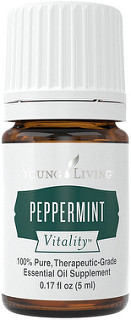
Peppermint VitalityPeppermint for exercise

Know people who love Peppermint? There’s a good chance they use it for their active lifestyle, which is a critical part of a happy life! Whether it’s hitting the gym, stopping by the yoga studio, playing a favorite sport, or chasing after the kiddos, physical activity helps your body and mind feel great. Peppermint Vitality™ may support performance during physical activity, so you can make the most of your workout!* Plus, Peppermint’s cooling, tingling effect is the perfect complement to a workout, especially when you massage it into neck, shoulder, and leg muscles.


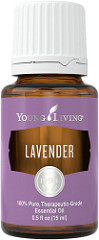
Lavender Essential OilLavender for your nighttime routine

Sleep and mood are closely connected, and the happiest people know they feel their best when they get plenty of rest. That’s why Lavender is a must-have for the happiness expert. Its relaxing aroma makes it a staple for bedside tables, vanity displays, and anywhere that makes it easy to grab before bed.

Apply this calming classic to the chest, temples, and bottoms of your feet to help you transition from a busy day to a peaceful night.


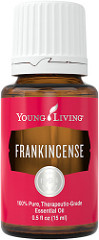
Frankincense Essential Oil

Frankincense for spirituality

Believing in something bigger than yourself brings a sense of perspective and broadens your view. Plus, spiritual exploration can help you find your purpose, which brings increased joy and meaning to daily tasks. With a grounding yet uplifting aroma, Frankincense is popular among spiritually minded happiness-seekers. Apply it to the chest, temples, or neck during spiritual practices or meditation. Another added benefit? Frankincense Vitality™ may also support health and well-being when taken internally as a dietary supplement!*


Joy Essential Oil Blend - Young Living

Joy for relationships

Deep, lasting happiness lies in meaningful social relationships, and you’ll find that the happiest people have a strong, supportive network of loved ones. Joy™, which invites feelings of bliss and warmth when diffused, helps you nurture the people and connections that matter most for sustained, long-term happiness.


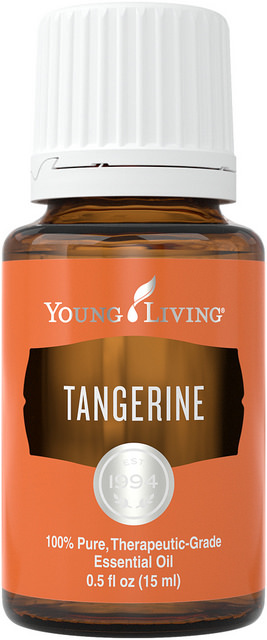
Tangerine Essential Oil - Young LivingTangerine for optimism

Hard times come to everyone, but the happiest people find the good even in difficult situations. This spirit of optimism isn’t always easy to maintain, but with practice it becomes easier to find bliss every day. To refocus on everything going right in your life, diffuse Tangerine, which helps create a happy outlook with its delightful sweet, citrus aroma. Or try rubbing a few drops between your hands and inhaling the scent to give your day a cheerful, upbeat outlook!


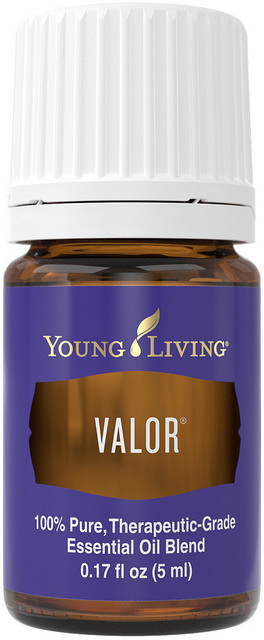
Valor Essential OilValor for goal setting

Valor®—known for its uplifting and affirming aroma—is great for setting goals, which is an important part of a happy, purposeful life. Without goals and aspirations, it’s hard to keep a hopeful outlook for the future.

In contrast, having something to work toward helps each day feel more valuable and rewarding. Plus, when you accomplish a goal, you feel good about yourself and improve your life!


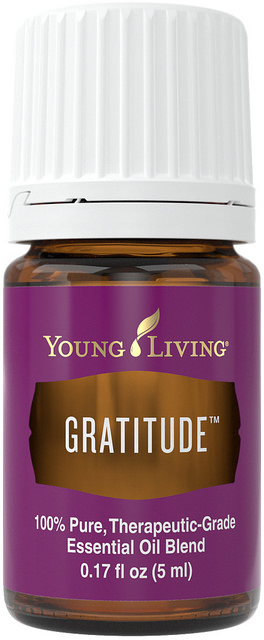
Young Living Gratitude Essential Oil BlendGratitude for serving others

It is amazing how when we spend time serving others, we become be happier in our own lives. Offering compassion to others can bring a fresh perspective to your life. It can be as simple as baking treats for a lonely neighbor or calling up a struggling friend. However you choose to brighten someone’s day, you’ll find that some of the light shines on you too.


7f302-27890763_2096539783891658_284878983105871872_n

Monday, February 19, 2018

6 Best Easy-to-Grow Plants for Your Indoor Herb Garden (Year-Round)

Are you tired of buying expensive herbs from the supermarket, only to have them all wilt away in a few days?  

Looking for a cheaper way to eating organic herbs?

To make sure you have herbs that are organic and pesticide free, try growing them yourself. Luckily, most herbs are not high maintenance and you can easily grow them indoors.

Picking herbs that you know you will end up using will make taking care of them feel less like a chore.

Easy to Grow Indoor Herbs

1. Chives


chives-herb-fresh-organic-green-stalks

Chives are hardy herbs that last throughout the winter and can be used in any dish. They can withstand cooler temperatures (as low as 55 degrees during the day) and love sunlight.

Chives are one of the few herbs that like its stems and soil to be moistened. Once a week sprinkle some water on the stems with a spray bottle.

Once your chives grow to at least 6 inches tall, you can give your herb a haircut. Harvest it with a scissor to avoid dislodging the roots. Make sure to leave at least 2 inches for the plant to regrow.

Store extra chives in the freezer, in ziplock bags. The entire plant is edible, so enjoy!

Recommended:

2. Oregano

oregano-herb-fresh-green-leaves

They also last well throughout the winter and can withstand cooler temperatures (as low as 55 degrees during the day).

Oregano prefers drier soil and lots of sunlight. Make sure the soil is completely dry between watering. Rotate your pot once a week to ensure adequate sunlight for your entire plant.

Do not pluck more than 1/2 the plant at a time. Try to avoid straining the stem while trimming its leaves – this could dislodge its roots.

Oregano grows faster the more frequently it gets haircuts. Your herb is ready for harvesting when it is at least 6 inches tall.

Recommended:

3. Parsley

parsley-herb-fresh-green-leaves

Parsley grows all year long and can withstand cooler temperatures. This herb likes moist areas, so the kitchen is a good place to grow them.

Rotate the plant and water once a week. You can start harvesting parsley when it is at least 6 inches. Make sure to leave at least 2 inches for regrowth.

You can use both the leaves and stems of the plant in your cooking. Make sure to trim the herb often to avoid toughness.

If you prefer parsley dried, cut off the stems and tie them (pictured above). Hang them upside down in a cool, dark, and dry place.

Recommended:

4. Lemongrass

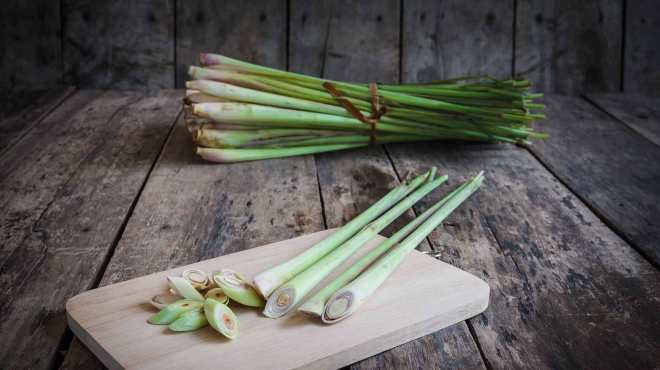
lemongrass-herb-fresh-stalks-stem

Lemongrass is an easy herb to grow. You can buy some stalks from your local Asian supermarket. Make sure the stalks are long and the stems look healthy.

When you get home, place the stalks into a long glass or jar, filled with a few inches of water. The roots will start to grow on the bottom and green stems will grow from the top.

After about a week, you can plant the stalks in some soil–a few inches above the roots. After a few months, you should start to see blades of grass growing.

Make sure to rotate your plant once a week so that the entire plant receives sunlight.

You can harvest once the blades are at least 12 inches. Store extra lemongrass in ziplock bags, in the freezer.

Recommended:

5. Basil

basil-herb-fresh-organic-green-leaves-bunch

Basil is a little harder to grow during winter months. This herb likes warm and sunny environments.

Don’t forget to water and rotate the pot to ensure adequate sunlight for the entire plant. This herb is easiest to grow from a “starter plant” and transporting it to a larger pot.

Basil is ready to be harvested when it is at least 6 inches tall. The more you prune the leaves, the happier your herb will be.

If you prefer dried basil, cut off the stems and tie them (pictured above). Hang them upside down in a cool, dark, and dry place.

Recommended:

6. Aloe Vera

aloe-vera-whole-plant-fresh

Aloe vera is not an herb but it is so easy to grow and so useful for “first-aid” emergencies. It also purifies the air and can be used to soothe inflammation and burns.

Most aloe plants come potted already, so just make sure to upgrade to a larger pot size if they outgrow their starter ones. Aloe plants like sunlight and can easily be grown indoors.

Make sure that the soil is completely dry in between waterings – once a week at most. You can water them even less during the winter months.

If you need to use the stems, just break off a piece. Let the end of the stem dry up before cutting off another piece.

Recommended:

Tips on Starting Your Indoor Herb Garden

  • The bigger and deeper the pot, the better.
  • Try to keep each herb separate. Some plants are invasive and do not grow well with others.
  • If you do not have a green thumb, buy “starter” baby plants from nurseries or local stores. Make sure they have never been grown outdoors because you do not want to drastically change the environment of the herbs.
  • Use all-purpose soil to grow your plants. Do not pack the soil too tightly and aerate slightly. You can grind up eggshells and mix them into the soil as a fertilizer.
  • Use breathable pot, such as a Terra Cotta pot. The most important feature is that they must have drainage holes.
  • Turn your plant once a week so each side gets adequate amounts of sunlight.
  • Herbs are meant to be eaten. They will grow back the more you pluck them. If the stems are growing faster than the leaves, give them more sunlight.
  • If the tips of the plants start yellowing, it could mean that they are being overwatered. Stick you finger into the soil, towards the roots. If the soil is still wet, aerate the soil a bit, and make sure the soil is not packed too tightly.
  • Don’t harvest more than 50% of your herb at a time during winter months.
  • When harvesting, avoid tugging at the leaves. This can strain the entire plant and dislodge its roots.
  • If you can’t keep your plants near a window, try investing in indoor fluorescent grow light or a happy light.
  • Home starter kits are available for those who do not have a green thumb or easily forget to water their plants.

How to Water Your Herbs

  • Don’t overwater them. Herbs only require water about once a week. Get on a schedule and try to water your plants on the same day of the week, every week.
  • Make sure that the soil is completely dry before watering them again. If the soil stays too moist, the roots can rot and destroy your plant. Never let water stand in the saucer for a long period of time, as this can also lead to rotten roots.
  • Bring the plant to the sink and run the water until the soil is completely wet. Let the water completely drain. Repeat, let it drain, and bring it back to its saucer to catch any remaining water.
  • If the pot is too heavy to carry back and forth, make sure the saucer is large enough to contain all of the draining water.

Final Word

Did you also know that plants can oxygenate and purify the air that you breathe? Growing herbs is practical and functional, and can aesthetically spruce up your place.

It is healthier and cheaper to grow your own fresh herbs. This way, you can be sure that you are not ingesting any harmful pesticides, fungicides, or herbicides.

You can also give your extra herbs away as presents to friends and family if you grow more than you can handle!

Source