
View on Instagram https://ift.tt/2HDLhcC
Bedtime can be a struggle for parents and kids alike. It can seem like the excuses never end, and sometimes real fears of imaginary foes keep little ones awake well past dark. Whether it’s monsters in the closet or little monsters not wanting to go to bed, reach for our DIY essential oil monster sprays. Featuring a fresh lineup of essential oils in a convenient bottle, these monster repellent sprays freshen the room and make bedtime a breath of fresh air.
 What you need:
◊ Glass spray bottle
◊ 6 tablespoons (3 ounces) water
◊ 2 tablespoons (1 ounce) witch hazel
◊ Essential oil monster blend of your choice
Tip: Our printable monster spray labels make it fun and easy to keep track of your favorite sprays.
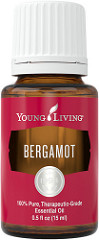 Closet Monster Skedaddle
◊ 3 drops Bergamot
◊ 3 drops Lemongrass
◊ 3 drops Grapefruit
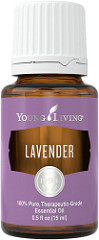 Under-the-Bed Brute Begone
◊ 4 drops Cedarwood
◊ 3 drops Lavender
◊ 2 drops Vetiver
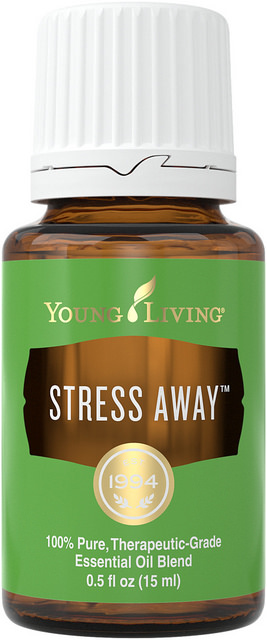
◊ 5 drops Stress Away
◊ 4 drops Ylang Ylang
Mix up these homemade monster sprays and keep them on hand to use during your bedtime ritual. Help the kids get to sleep by spraying them together inside closets, under the bed, and around curtains to keep their fears at bay. Of course, you can’t go wrong with Lavender essential oil’s aroma either. Its scent can help your little ones relax, and it promotes feelings of calmness. Use this same recipe to mix up a simple Lavender spray to use in every bedroom in the house.
YL tip: Make your monster blends extra restful by adding 9–10 drops of KidScents SleepyIzefor a peaceful environment!
*Avoid spraying near the eyes or skin. These statements have not been evaluated by the Food and Drug Administration. These products are not intended to diagnose, treat, cure, or prevent any disease. Sprays have not been evaluated for use against zombies, ghouls, goblins, trolls, or werewolves.
For more tips and parenting hacks please check out our 9 essentials for Dr. Mom and Think outside the lunchbox posts.
There are millions of reasons not to purchase any product produced with the Monsanto name. Whether it’s a genetically engineered (GE) seed, or a fruit or vegetable that they sprayed with their highly toxic pesticides and herbicides, they have spent billions of dollars lying about the safety of their products. Take, for example, the new cantaloupe they conjured up for Walmart stores called the “Sweet Spark,” which the company claims to be “40% sweeter than Walmart’s current winter cantaloupe,” as reported by ThePennyHoarder.com. But, why?
Shawn Baldwin, Walmart’s senior vice president of produce and global food sourcing, says customers might often skip over the cantaloupes that Walmart sells in the winter because while they may “look good” they probably “taste like a piece of wood.” Well, gee. Maybe, that because cantaloupe is a summer fruit that you’re not supposed to eat in the winter. But we’ve been taught to demand — and expect — whatever we want, when we want it regardless of it being in season or not.
This Sweet Spark cantaloupe isn’t GE; it’s done by cross-breeding, another method that Monsanto uses. It is a more natural technique that farmers have been using for yearsto enhance their crop yields. Monsanto has crafted a few other vegetables using this method — an EverMild onion, Bellafina bell peppers and Beneforte broccoli — to name a few. And while this process is “natural” it is still not widely accepted as safe, and it is certainly not organic.
Support our mission and protect your health: Organic Seeds of Life combines Red Raspberry Seed Power, Black Cumin Seed Power and Red Grape Seed Powder into the most potent nutrient-rich supplemental superfood powder you’ve ever experienced. Loaded with flavonoids, antioxidants, anthocyanins, OPCs, ALA and a vast array of vital nutrients. Learn more here.
This is just the latest in a long list of wrongdoings by this mega-corporation. Let’s take a brief look at the history of Monsanto, a company that’s about to merge with Bayer and “will control a third of the world’s herbicide market,” according to Global Network Perspectives. And don’t forget about those 7676 seed patents that Monsanto owns and the glyphosate that the state of California has finally decided is carcinogenic and will be banned, reports Reuters.
Looking back on the last several decades of Monsanto’s history, it is evident that they have enjoyed quite a “chemical romance,” according to EarthJustice.org. They began in 1901 with the production of saccharin, a dangerous artificial sweetener. They also had a hand in the production of polychlorinated biphenyls (PCBs), which is a poisonous chemical pollutant, the herbicide 2-4 D, which was later used in Agent Orange, and DDT. Rachel Carson’s book Silent Spring, is prescient and heart rendering tale of the disastrous consequences of DDT which is now banned, along with PCBs.
It was in 1980 that the United States Supreme Court allowed the patenting of life in the case titled Diamond V.Chakrabarty. This opened the door to the “ownership” and the genetic engineering of seeds, which Monsanto was keen to benefit from. They recruited a team of scientists — called “molecular biologists” — who were determined to unlock the secrets of DNA and genetic manipulation.
Their first GE product was called Posilac, developed in 1994. This was sold to farmers to inject into dairy cows so they would produce more milk. Scientists took a bovine growth hormone gene, mixed it with e coli and created a GE bovine growth hormone rBGH, also called rbST.
Early warnings that injections of Posilac, also known as bovine growth hormone, could cause mastitis or lameness were quickly dismissed by the FDA, as was the possibility that this GE milk could be implicated in human cancer. Investigations about this controversy were shut down completely when two reporters, Jane Akre and Steve Wilson of WTVT in Tampa, Florida, did indeed discover a cancer link. This incident was the beginning of the end for any possibility the American people had of discovering the dangers of GE food products on mainstream media.
So, let’s get back to those millions of reasons to stay away from Monsanto products. One reason is that Monsanto has spent years lying to the public and hiding any negative information about its products. Another is the fact that so many of its products, like Walmart’s new Sweet Spark cantaloupe, have not been proven safe for consumption.
But possibly the most important reason is the millions upon millions of people, animals and organisms that have been brutally assaulted, and in some cases have died, because of Monsanto’s toxic chemicals and the potential destruction of the food supply itself.
Sources:
ThePennyHoarder.com
GNP.AdvancedManagement.net
Reuters.com
PATFT.uspto.gov
EarthJustice.org
RachelCarson.org
IPPT.eu
Credit: NaturalNews.com
Image: flickr.com/news21
Certain chores around the house are less than desirable. For you, maybe it’s taking out the garbage or cleaning out the fridge, but we can all agree that cleaning the toilet isn’t something to look forward to. That’s why we’ve created the perfect solution that will leave your bathroom smelling fresh and clean like Lemon essential oil or Thieves® or Citrus Fresh essential oil blends.
This recipe for DIY cleaning fizzies isn’t limited to bathroom cleanup! You can also use it to clean out small-necked bottles or use it as a dish soak for a sink full of dirty pots and pans.
Ingredients
Instructions
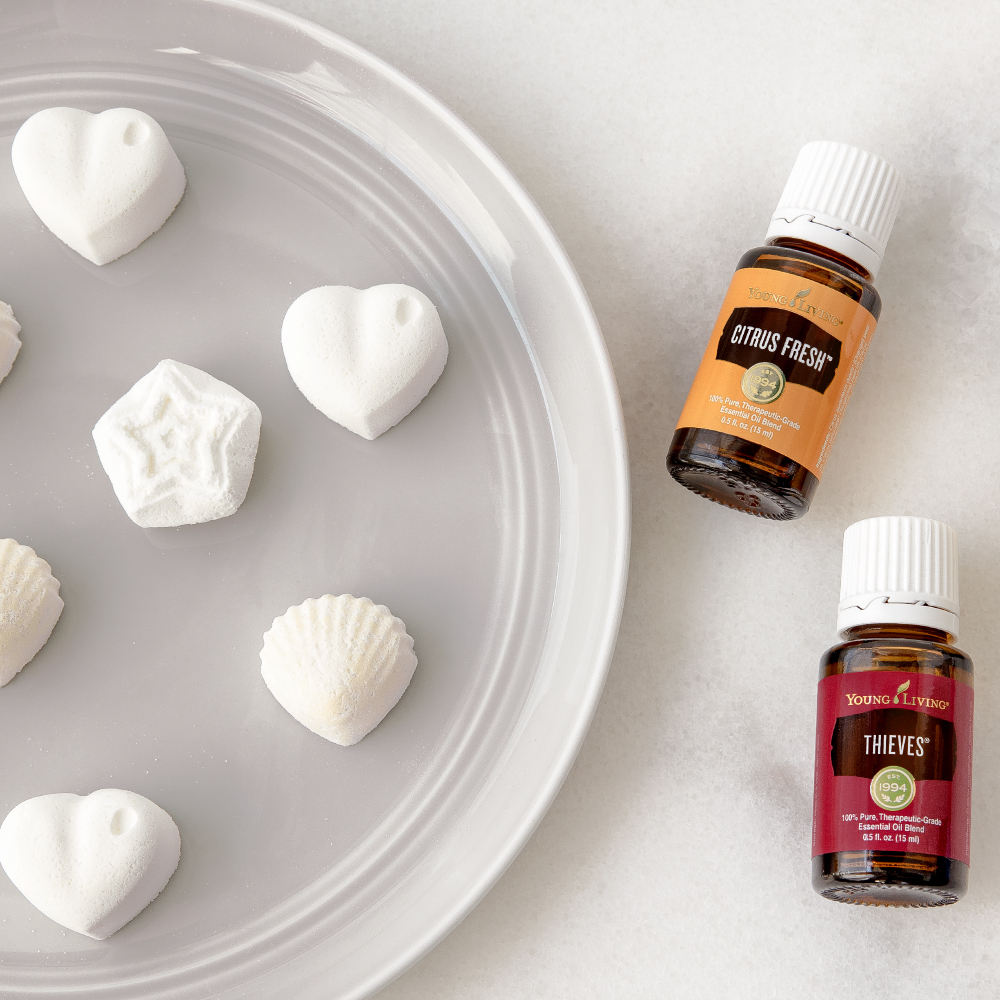
Now you’re ready to clean without the slightest fuss!
Note: This recipe is not recommended for toilet tanks.
Enjoy using naturally derived products that are homemade? Check out our blog posts for DIY Stain Remover or DIY Bubble Bath.
People have been made to believe that the sun is responsible for causing skin cancer, which has resulted in adults and children alike covering themselves in toxic, hormone-disrupting chemicals in an attempt to block it.
Of course corporate marketing campaigns have encouraged this at every turn.
Of course it is not a good idea to get sun burnt, but neither is blocking out the sun entirely a good idea.
The sun is rich in vitamin D and offers a number of health benefits, including cancer prevention
Collective Evolution reports:
Science has long shown that what we put on our skin ends up in our bodies, and quickly. Multiple studies from across the world have examined sunscreen in particular, evaluating its ingredients and how it penetrates and absorbs into the skin after application. One study, conducted at the Faculty of Pharmacy at the University of Manitoba, Canada, sought to develop a method for quantifying common sunscreen agents. Results demonstrated a significant penetration of all sunscreen agents into the skin, meaning all of these chemicals are entering multiple tissues within the body. (source)
Conversely, a study published in Environmental Health Perspectives showed a significant drop in hormone-disrupting chemicals that are commonly found in personal care products after participants switched to ‘cleaner’ products. These chemicals include oxybenzone, triclosan, parabens, phthalates, and more. You can read more about that and access the study here. All of these ingredients are found within most poplar sunscreens.
So, the next question becomes, are the ingredients used to make sunscreen, which are entering into our bloodstream, something to be concerned about? The science given to us by the corporations who profit from the sale of sunscreen says no, but I think by now we have established how trustworthy such corporately-funded ‘science’ is. It wasn’t long ago that Johnson & Johnson, for example, was found guilty of knowingly putting a cancer-causing baby powder on the market. You can read more about that here.
This is precisely why we wanted to bring attention to an article published by the Huffington Post titled “Excuse Me While I Lather My Child In This Toxic Death Cream.” In it, mother Sarah Kallies shares how exhausted she feels trying to navigate today’s world and do the best for her children when everything, everywhere, seems to be killing us. For every purchase she makes for her children, there is science telling her it’s great on the one hand and toxic on the other, and so she highlights how confusing the consumer marketplace has become. We are dished a wealth of information that differs from source to source, on a variety of different topics, making it difficult to make even the simplest of choices without second-guessing ourselves.
Yet we know the various chemicals found within sunscreens are toxic, and we know that our skin absorbs whatever we put onto it. Below are a few examples of these chemicals:
Oxybenzone
This could in fact be the most troublesome ingredient found in the majority of popular sunscreens. Used because it effectively absorbs ultraviolet light, it’s also believed to cause hormone disruption and cell damage, which could promote cancer.
According to the Environmental Working Group:
Commonly used in sunscreens, the chemical oxybenzone penetrates the skin, gets into the bloodstream and acts like estrogen in the body. It can trigger allergic reactions. Data are preliminary, but studies have found a link between higher concentrations of oxybenzone and health harms. One study has linked oxybenzone to endometriosis in older women; another found that women with higher levels of oxybenzone during pregnancy had lower birth weight daughters. (source)
There are many other studies out there on this chemical. For example, one study done by the Department of Clinical and Experimental Endocrinology at the University of Gottingen in Germany observed regulatory effects on receptor expression for oxybenzone that indicate endocrine (hormone) disruption.
A study out of the Institute of Pharmacology and Toxicology from the University of Zurich determined that oxybenzone may also mimic the effects of estrogen in the body and promote the growth of cancer cells.
Prompted by multiple studies, a study out of the Queensland Cancer Fund Laboratories at the Queensland Institute of Medical Research in Australia recognized the significance of systemic absorption of sunscreens. Researchers discovered that oxybenzone inhibited cell growth and DNA synthesis and retarded cycle progression in the first of the four phases of the cell cycle. They determined that sunscreen causes mitochondrial stress and changes in drug uptake in certain cell lines.
Retinyl Palmitate (Vitamin A palmitate)
A study conducted by U.S. government scientists suggests that retinyl palmitate, a form of vitamin A, may speed the development of skin tumors and lesions when applied to the skin in the presence of sunlight (NTP 2012). “Retinyl palmitate was selected by the Center for Food Safety and Applied Nutrition for photo- toxicity and photocarcinogenicity testing based on the increasingly widespread use of this compound in cosmetic retail products for use on sun-exposed skin,” reads an October 2000 report by the National Toxicology Program.
As Dr. Joseph Merocla explains, this suggests that sunscreen products could actually increase the speed at which malignant cells develop and spread skin cancer, because they contain vitamin A and its derivates, retinol, and retinyl palmitate.
Fragrance
Fragrance refers to a host of harmful hormone-disrupting chemicals mentioned earlier, like parabens, phthalates, and synthetic musks.
Sun Exposure Can Protect You From Cancer
The sun isn’t as bad as it’s marketed to be, however. Corporations are concerned with profit, not people, and telling us that sun exposure can actually protect against cancer isn’t going to get us to buy sunscreen. Yet several studies have made this connection, confirming that the appropriate amount of sun exposure can actually protect us against skin cancer.
As many of you probably already know, humans require sunlight exposure for vitamin D. Sunburns are indeed a concern, and there are many studies that link sunburns to melanoma, but due to a wide range of factors, such as cultural changes and marketing campaigns, our skin has become less resistant to sun exposure. If you spend a large portion of your time in the sun, your skin adapts to build a natural immunity. We are naturally built to receive sunlight, and we have gone backwards in this regard. There are alternative ways to protect yourself from sunburns. You can buy natural sunscreens without harmful chemicals. Questioning big name advertisements is crucial to our health in these times of information awareness.
Only 10% of all cancer cases are attributed to all forms of radiation, and UV is a very small part of that. When we think of skin cancer we automatically want to blame the sun, but what about other causes of skin cancer that are out there? Arsenic, found in a number of things we ingest or work around, pesticides, and leather preservatives are all causes for concern.
Sunscreens are a huge contributor to toxins in the body, being absorbed within seconds of application. Is it not important to know what you are putting into your body? We now live in a culture where we fear the sun, which is ironic considering it has created all life on Earth. It’s important to remember that fear eventually manifests as reality. The sun has many health benefits, so using natural products will ensure that you receive these benefits while keeping your skin safe.
Healthier Alternatives
When shopping for sunscreens, be sure to read the labels and avoid buying sunscreens containing toxic chemicals. They may be tough to find, but a trip to a natural health store can often do the trick. Look for sunscreens that contain zinc and titanium minerals as opposed to the active ingredients listed above. Remember, the best sun protection is shade and clothing. It is not necessary to wear sunscreen every time you are out in the sun. Sunscreen does NOT allow the body to absorb any vitamin D from sunlight. So if you plan on being outside for a short period of time, skip the sunscreen and feed your body the vitamin D that will keep it healthy.


